Are Self-Tapes Hurting Actors?
Are Self-Tapes Hurting Actors?
(What Hollywood Insiders Really Think)
Self-tapes have completely changed the audition process. Gone are the days of driving across Los Angeles, sitting in a crowded waiting room, and hoping the casting director remembers your name. Now we’re our own camera operators, lighting technicians, editors, and sometimes even casting directors.
As a working actor in Los Angeles, I have a complicated relationship with self-tapes. Sure, they’re convenient, but they can also be exhausting. And after spending hours preparing, recording, and uploading an audition, there’s often no way of knowing if anyone actually watched it.
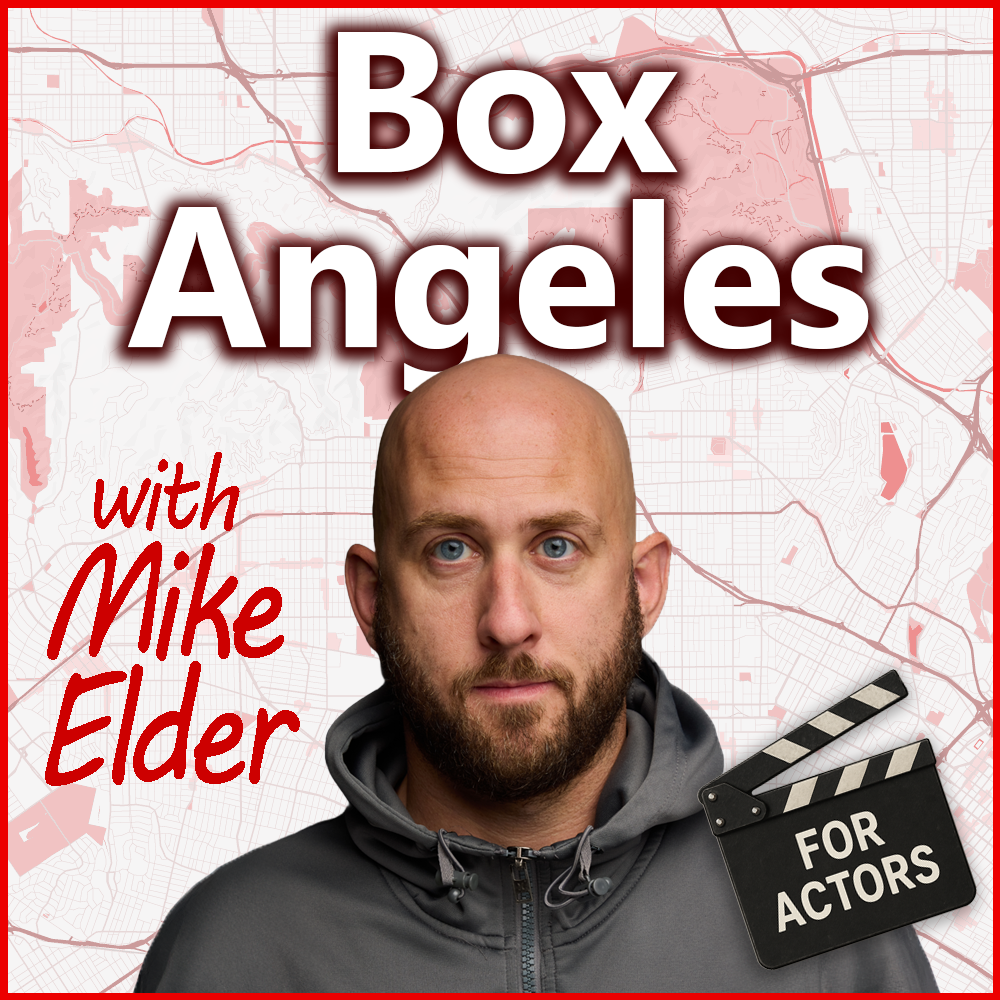
Over the years, I’ve talked with hundreds of actors, casting directors, writers, and filmmakers on my podcast, Box Angeles. Self-tapes come up a lot. And it turns out, not everyone agrees on whether they’re helping or hurting the industry.
Here are five perspectives from conversations at the bungalow.
Matt Jones: Actors Shouldn’t Have to Pay to Audition
The issue: The hidden costs of self-taping
Video starts at the self-tape discussion (4:38)
“I’m not paying someone money. I’m not doing that. I draw the line. I’m not paying money to audition.”— Matt Jones
Actor Matt Jones (Breaking Bad, Bob Hearts Abishola, The Office) has strong feelings about self-tapes. And frankly, I don’t blame him.
During our conversation, Matt talked about juggling auditions, family responsibilities, and the costs associated with recording at home. Between finding a reader, setting up equipment, and sometimes paying for studio space, actors are doing unpaid work just for the possibility of getting a job.
For Matt, paying someone to record an audition crosses a line. We also discuss the lack of direction and the frustration of sending auditions off without feedback.
Ryan Bernstein: Why In-Person Auditions Still Matter
The issue: Actors need direction and feedback
Video starts at the self-tape discussion (42:09)
“I’d like to be able to work with them, like, be able to redirect. I’d like to be able to guide.”— Ryan Bernstein
Casting director Ryan Bernstein of RMB Casting is a big believer in bringing actors into the room.
One of the biggest disadvantages of self-tapes is the lack of interaction between actors and casting directors. In person, casting can offer adjustments, redirect a performance, and help an actor get closer to what the director actually wants.
With a self-tape, actors are often left guessing, making choices based on limited information. They might deliver a perfectly good performance, but one that isn’t quite what the creative team had in mind.
Ryan’s perspective is a reminder that an audition isn’t always just about showing what you’ve prepared. Sometimes it’s about collaboration, taking direction, and showing how you can adapt in the moment. That’s much harder to demonstrate when you’re recording alone at home.
Lindsay Bronson: Casting Directors Understand the Frustration
The issue: Last-minute auditions and excessive requirements
Video starts at the self-tape discussion (57:44)
“We always feel terrible when it’s like, these are due same day.”— Lindsay Bronson
Casting director Lindsay Bronson of AHC Casting offers a refreshing perspective on the growing demands placed on actors during self-tapes.
We talked about auditions that ask for multiple scenes, several takes, complicated slates, and tight deadlines. Lindsay explained how her office tries to be mindful of actors’ time.
Even a simple self-tape means preparing material, setting up equipment, recording, and uploading. We also discuss slates, multiple takes, and avoiding an overly complicated process.
Courtney Richards: Self-Tapes Aren’t All Bad
The upside: Convenience and flexibility
Video starts at the self-tape discussion (26:37)
“I don’t hate self tapes. Sometimes I like them because it’s just at home.”— Courtney Richards
Not everyone hates self-tapes. Actor Courtney Richards (Insecure, Alex, Inc.) has a more relaxed approach to auditioning.
Courtney likes the convenience of auditioning from home, even though he also enjoys being in the room with casting directors and other people.
His biggest complaint is the setup. Without a dedicated self-tape space, each audition means getting equipment out and putting it away again. His perspective is a reminder that flexibility can be valuable, too.
Alan Freedland: Is Anyone Actually Watching Your Audition?
The question: What happens after you submit a self-tape?
Video starts at the self-tape discussion (32:36)
“It depends how big the role is, I guess, but I would prefer always in person.”— Alan Freedland
Writer and showrunner Alan Freedland (King of the Hill, Due Date, The Freak Brothers) shared his perspective on what happens on the other side of the audition process.
Actors spend hours recording and submitting auditions, often without hearing anything back. Did someone watch the whole thing? Was the role already going to someone else?
Alan explained that casting directors help filter submissions, while other creative decision-makers may not watch every tape in full. He also shared why he still prefers in-person auditions.
So, Are Self-Tapes Good or Bad for Actors?
After talking with so many people in the entertainment industry, I don’t think there’s a simple answer.
Self-tapes have made auditioning more accessible and eliminated a lot of unnecessary driving around Los Angeles. But they’ve also shifted more responsibility onto actors, often without additional compensation, direction, or feedback.
Personally, I miss being in the room. I miss getting adjustments, interacting with casting directors, and leaving an audition feeling like I actually learned something. There’s also something to be said for showing up, doing your best, and walking away without spending the next three hours wondering if you should record one more take.
Still, self-tapes aren’t going anywhere. And maybe the answer isn’t getting rid of them altogether, but figuring out how to make the process better for everyone involved.
If you’re interested in more conversations about auditions, casting, and the realities of working in Hollywood, check out my favorite acting podcasts or browse the Box Angeles episode archive.